
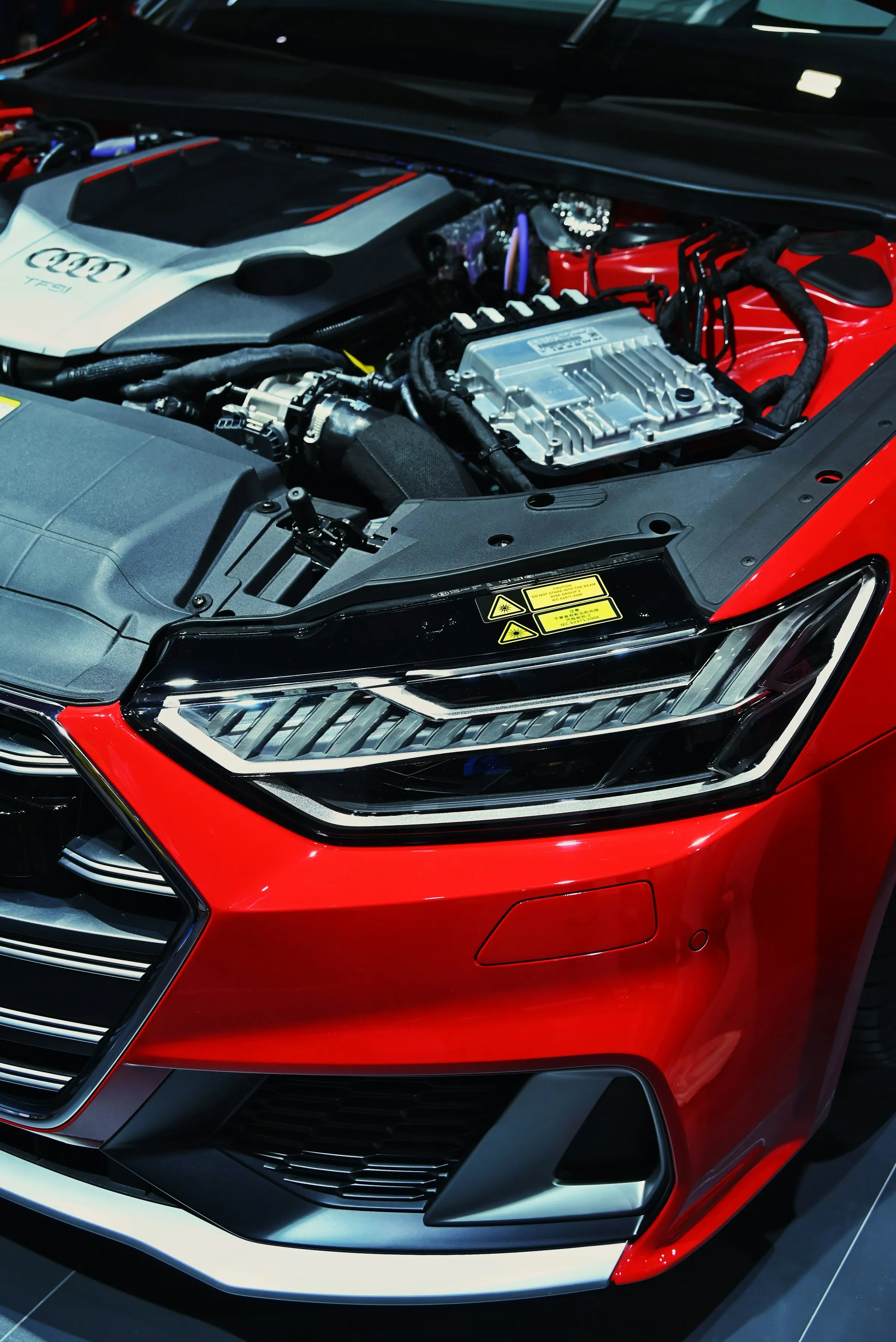
Radiator Repair in Tomball, TX
Car overheating, leaking coolant or running hot in traffic? We fix radiators, water pumps, thermostats and hoses at our shop on Calvert Rd in Tomball.
Car Overheating and Cooling System Repair in Tomball
Houston summers are hard on a cooling system. Long hot days, stop-and-go traffic on TX-249 and the AC running flat out all add load, and that’s when a weak radiator, fan or water pump gives up.
We do radiator repair and replacement, water pumps, thermostats, radiator hoses, cooling fans, coolant leaks and coolant flushes. When a car overheats, we find out why before replacing parts, because a new radiator won’t fix a stuck thermostat or a dead fan. If the engine got very hot, we check the head gasket too.
Our customers say we’re one of the best shops in Tomball. If you’re looking for a radiator shop near you in Tomball, Spring or Cypress, call 936-661-2675 and tell us what the temperature gauge is doing.
Why Your Car Is Running Hot
Radiator, water pump, thermostat or a leaking hose? Here’s how each part fails, the signs to watch for, and when it’s not safe to keep driving.
Radiator Repair and Replacement
The radiator takes heat out of the coolant as air passes through it. Most modern radiators have an aluminum core with plastic tanks, and the plastic gets brittle and cracks after years of heating up and cooling down. Old, worn-out coolant can also leave sludge that clogs it.
What are the signs of a bad radiator?
Coolant leaking at the front of the car, coolant that keeps going low, rusty or sludgy coolant, and an engine that runs hot. Leaks often start where the plastic tanks meet the core.
Can a cracked radiator be fixed?
A leaking hose or clamp at the radiator is a small fix. A cracked plastic tank or a radiator leaking from the core usually needs replacing, because patches on those don’t tend to last.
Does radiator stop leak work?
It can get you home in a pinch. It isn’t a long-term fix, and on a radiator that’s cracked or corroded the leak usually comes back.
Why is my coolant rusty or brown?
Coolant has additives that stop rust and corrosion, and they wear out. Rusty, brown or sludgy coolant is overdue for changing and may already be clogging the radiator. Oil in the coolant can point to a head gasket problem.
Warning: Never open a hot radiator cap. The coolant is under pressure and can spray out and burn you. Wait until the engine has fully cooled.
Car Overheating Diagnosis
Overheating is a symptom, not a part. The cause can be low coolant, a stuck thermostat, a weak water pump, a dead cooling fan, a clogged radiator or a blown head gasket. We find which one before replacing anything.
Why does my car overheat when the AC is on?
The AC puts extra load on the engine, and the AC condenser sits in front of the radiator, so the air reaching the radiator is already warmer. A weak cooling fan, low coolant or a dirty radiator often shows up first with the AC running.
Can I drive an overheating car?
No. If the gauge is in the red or you see steam, pull over and turn the engine off. Overheating can warp the cylinder head and blow the head gasket, and then a small repair becomes a big one.
Why is my temperature gauge going up and down?
A thermostat that sticks, low coolant or an air pocket in the system can make the gauge swing. So can a failing temperature sensor. Get it checked, even if the needle comes back down.
Can hot weather make a car overheat?
A healthy cooling system can handle a Houston summer. Heat and stop-and-go traffic just find the weak spot faster, so a car that overheats in the heat usually has a problem that needs fixing.
Warning: If you see steam or the gauge hits red, pull over, turn the engine off and let it cool. Don’t pour cold water on a hot engine.
Water Pump Replacement
The water pump pushes coolant through the engine and radiator. When its seals wear out it starts to leak, and when its bearing wears it gets noisy. Once it stops moving coolant, the engine overheats.
What are the signs of a bad water pump?
Coolant leaking from the front of the engine, crusty residue around the pump, a grinding or growling noise, the engine running hot, or steam from under the hood.
What is the weep hole on a water pump?
Many water pumps have a small hole under the shaft that lets coolant out once the inner seal wears. Drips or crust there usually mean the pump is on its way out.
How much does a water pump replacement cost?
It depends a lot on the engine. Some pumps bolt on at the front and are easy to reach. Others sit behind the timing belt or deep in the engine and take a lot longer. Call 936-661-2675 with your year, make and model.
Do I need a new timing belt with a water pump?
If the timing belt drives the pump on your engine, it’s worth doing both. Most of the labor is the same, so you’re not paying for it twice.
Good to know: Crusty residue on or under the pump is dried coolant. It’s an early sign the pump is leaking.
Car Thermostat Replacement
The thermostat is a valve that stays shut while the engine warms up, then opens to let coolant flow to the radiator. If it sticks closed, the engine overheats. If it sticks open, the engine runs too cool.
What are the symptoms of a thermostat stuck closed?
The temperature gauge keeps climbing toward hot and the engine overheats. Coolant may leak around the thermostat housing or come out of the overflow tank.
What are the symptoms of a thermostat stuck open?
The temperature gauge stays low, the engine takes a long time to warm up and the heater doesn’t blow hot. It can use more gas too.
Can I drive with a bad thermostat?
If it’s stuck open, you can usually drive it in, but get it fixed. If it’s stuck closed, no. It will overheat, and that can damage the engine.
How much does a thermostat replacement cost?
It depends where the thermostat sits on your engine. Some are easy to reach, others are buried under other parts. Call 936-661-2675 with your year, make and model.
Good to know: Don’t take the thermostat out to stop overheating. An engine that runs without one wears faster and burns more fuel.
Coolant Leaks, Radiator Hoses and Coolant Flush
Coolant leaks often start small: a damp hose, a crusty clamp or a sweet smell after a drive. Hoses go hard, crack or swell with age and heat. Coolant wears out too, so it needs changing on schedule.
How do I know if my car is leaking coolant?
A sweet smell, a brightly colored puddle under the front of the car (often green, orange or pink), a low coolant light, or a coolant tank you keep topping up.
Can I drive with a coolant leak?
Only a short way, like to the shop, with the coolant topped up and an eye on the temperature gauge. If it starts to run hot, pull over and turn the engine off.
When should I replace my radiator hoses?
When they feel hard, brittle or swollen, go soft from oil, or show cracks, rubbing or leaks. Squeeze them with the engine cold. A good hose feels firm but flexible.
Is a coolant flush necessary?
Coolant has additives that stop rust, corrosion and scale, and they wear out. Changing it on the schedule in your owner’s manual protects the radiator and water pump. A full flush is worth it if the old coolant is dirty or rusty.
Warning: Coolant tastes sweet and is poisonous to kids and pets. Clean up drips and puddles straight away.
Car running hot? Call 936-661-2675 and tell us what the temperature gauge is doing and if you’ve seen any leaks.
What Brix Auto Group Customers Say
“William was fantastic. Super clear pricing and was done with my truck on time.”
“Ms. Sandy and her team went above and beyond to have my vehicle repaired after I was in a collision accident.”
“I am very satisfied with the quality of work 10 out of 10.”
Temperature gauge climbing?
If it’s overheating, pull over and switch it off, then call 936-661-2675. We’re at 27813 Calvert Rd, Tomball, TX 77377.
Radiator Repair Questions
What to do when it overheats, why it happens and how often the coolant needs changing.
What do I do if my car is overheating?
Turn the AC off and the heater on full to pull heat away from the engine. Pull over when it’s safe and turn the engine off. Don’t open the radiator cap while it’s hot. Let it cool before you check anything.
Why is my car overheating?
The common causes are low coolant from a leak, a thermostat stuck closed, a failing water pump, a cooling fan that isn’t working, a clogged radiator or a blown head gasket. Finding which one takes a proper check.
Why does my car overheat when idling?
At highway speed, air is pushed through the radiator as you drive. Stopped in traffic, the cooling fan has to do that on its own. Overheating at idle often points to the fan, its relay or wiring, or low coolant.
Why is my car overheating when the coolant is full?
Then look at what moves and cools the coolant: a thermostat stuck closed, a weak water pump, a dead cooling fan or a clogged radiator. A head gasket leak can also push hot exhaust gas into the coolant.
How much does it cost to replace a radiator?
It depends on the vehicle, the radiator it takes and how much has to come off to reach it. Call 936-661-2675 with your year, make and model.
How often do you need a coolant flush?
Check your owner’s manual. Older-style coolant is often due about every 2 years or 30,000 miles. Many newer cars use long-life coolant that can go 5 years or 100,000 miles or more. Use the type your manual calls for, because mixing types can cause sludge.
Where can I get my radiator fixed in Tomball?
Brix Auto Group, 27813 Calvert Rd, Tomball, TX 77377. If it’s overheating, call 936-661-2675 before you drive it over.
Radiator Repair Close to Stagecoach, Klein and Tomball
Don’t drive an overheating car across town. If it’s running hot, closer is better.
All service areas ↗Typical Google Maps drive times from each town to 27813 Calvert Rd, leaving at 11 am on a weekday.